
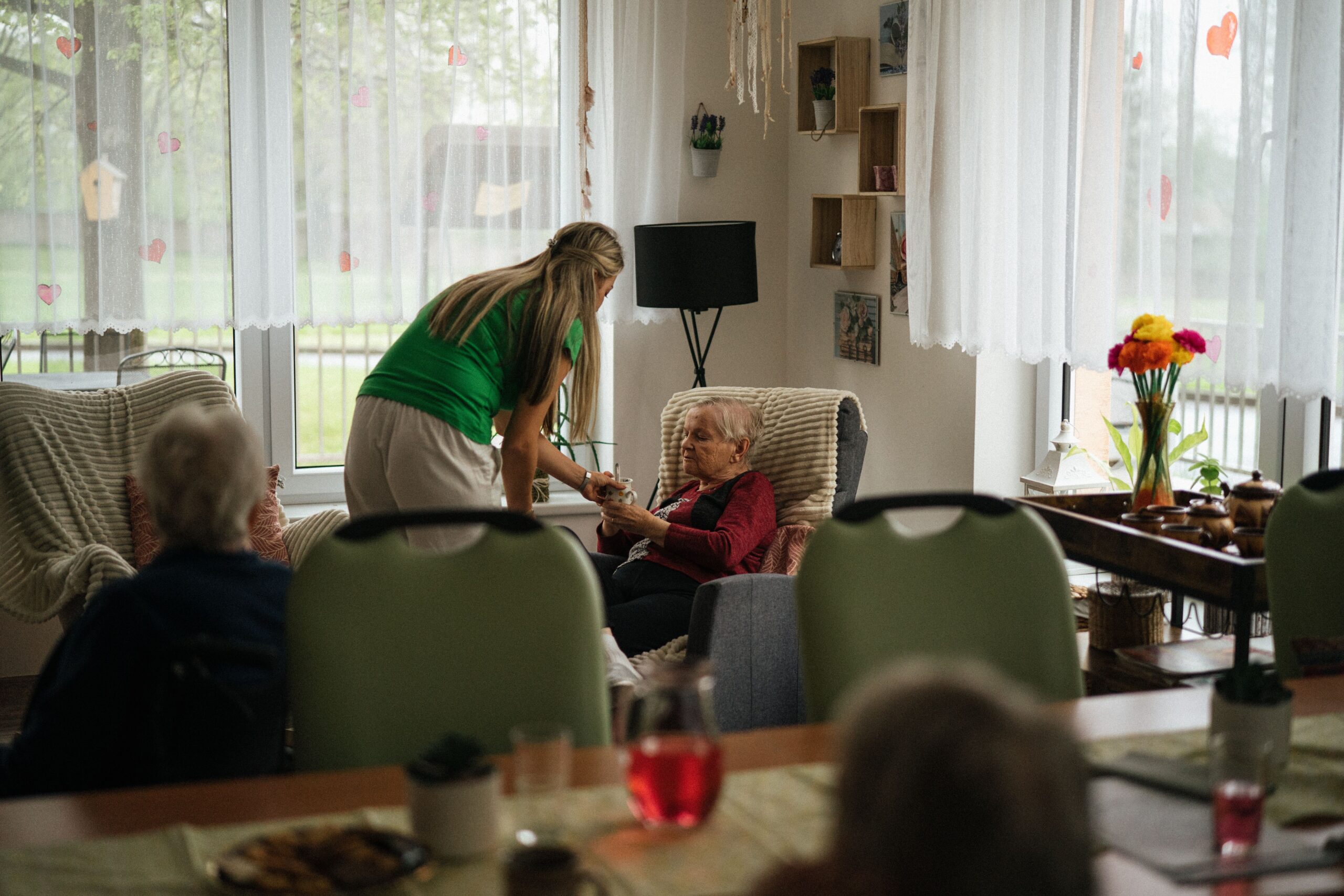
When adult children begin exploring senior living options for an aging parent, one priority rises above all others: safety. Ensuring that a loved one is protected around the clock provides families with profound peace of mind.
Living independently at home often carries hidden risks—such as accidental falls, missed medication doses, or delayed medical help during an emergency. Assisted living communities are intentionally designed to eliminate these dangers through a combination of smart safety infrastructure, fall prevention protocols, strict medication management, and round-the-clock professional staffing. Here is a closer look at how modern communities maintain a safe, secure environment 24 hours a day, 7 days a week.
1. Smart Emergency Call Systems and Wearable Technology
One of the most immediate safety features in an assisted living community is the comprehensive emergency response system. Unlike living alone at home, where a fall or medical event might leave a senior unable to reach a telephone, community residents have instant access to immediate assistance.
Instant Access to Emergency Support:
- Wearable Emergency Pendants & Wristbands: Lightweight, water-resistant emergency response devices allow residents to summon help at any time, anywhere on campus, with the press of a button.
- In-Suite Pull Cords: Strategically placed emergency pull cords in bedrooms, bathrooms, and showers ensure help is accessible in high-risk areas.
- Smart Sensor Systems: Advanced communities utilize discrete motion sensors or smart floor technology that alert care staff if a resident experiences an unusual fall or remains motionless during typical active hours.
2. Proactive Fall Prevention Strategies
Falls represent the leading cause of injury among older adults living alone. Assisted living communities take a comprehensive, multi-layered approach to fall prevention that combines environmental design with physical wellness programs.
From an architectural standpoint, communities feature zero-threshold doorways, wide hallways equipped with sturdy handrails, non-slip flooring, walk-in showers with grab bars, and shadow-free lighting. Beyond building design, staff conduct personal risk assessments to evaluate mobility, balance, and footwear. Regular physical therapy and group fitness classes—such as chair yoga and balance building—help residents maintain lower body strength and stability.
3. Professional Medication Management and Administration
Managing multiple daily prescriptions is a complex task. Misplacing pills, taking incorrect dosages, or skipping doses entirely can result in severe health complications or emergency hospital visits.
How Medication Management Prevents Health Crises:
- Licensed Oversight: Trained medical professionals manage prescription refills, dosage schedules, and pharmacy deliveries directly.
- Timely Administration: Caregivers provide discreet reminders or directly administer medications at exact scheduled times each day.
- Interaction Monitoring: On-site nurses regularly review medication profiles to catch adverse drug interactions, side effects, or necessary dosage adjustments early.
4. Round-the-Clock Professional Staffing and Monitoring
Technology and building design are essential, but the true foundation of 24/7 safety is a dedicated team of professionals. Assisted living communities maintain awake, trained staff on campus every hour of the day and night.
During evening hours, care staff conduct discreet wellness checks according to each resident’s individual care plan. On-site nurses monitor chronic health conditions, coordinate with outside physicians, and respond instantly if a health concern arises. Furthermore, secure entry systems, visitor check-in protocols, and campus surveillance ensure that unauthorized visitors cannot access residential areas.
Conclusion: A Balance of Safety and Independence
The goal of assisted living safety infrastructure isn’t to restrict a resident’s freedom, but rather to empower it. By removing the daily anxiety of falls, medication errors, and emergency isolation, residents gain the confidence to stay active, social, and engaged—knowing that professional support is always right by their side.