Loneliness among older adults is far more than an uncomfortable emotion—it is a widespread public health issue that deeply impacts both physical health and mental longevity. As life transitions occur, maintaining an active social circle becomes increasingly difficult when living alone in a traditional family home.
When adult children move away, driving becomes challenging due to vision changes or mobility issues, or a spouse passes away, physical isolation can quietly set in. Fortunately, moving into an assisted living community offers a powerful antidote. By surrounding seniors with vibrant peer connections, shared culinary experiences, and structured daily activities, community living restores connection, purpose, and joy to daily life.
1. The Hidden Health Risks of Senior Isolation
Medical research consistently highlights the severe health risks associated with chronic social isolation. Prolonged loneliness in seniors triggers stress hormones, increasing the risk of high blood pressure, heart disease, stroke, chronic inflammation, and a weakened immune system. In fact, health studies note that severe social isolation carries physical health risks equivalent to smoking up to 15 cigarettes a day.
Beyond physical health, isolation takes a heavy toll on cognitive function. Unengaged minds deteriorate faster, accelerating the onset of memory decline, dementia, clinical depression, and generalized anxiety. Breaking the cycle of loneliness is essential for protecting a senior’s long-term vitality and overall quality of life.
2. The Therapeutic Power of Shared Meals
Eating alone at a kitchen table day after day often leads to skipped meals, loss of appetite, and poor nutrition. Dining is inherently a social event, and restoring that communal rhythm is one of the most immediate benefits of community living.
Nutritional & Social Benefits of Dining Together:
- Improved Appetite & Health: Sharing meals in a warm, restaurant-style setting encourages better eating habits and increased nutrient intake.
- Daily Connection: Dining rooms serve as natural hubs where residents share stories, catch up on daily news, and form lasting friendships over delicious food.
- Culinary Variety: Chef-prepared meals cater to special dietary requirements while eliminating the physical burden of grocery shopping, cooking, and cleanup.
3. Meaningful Engagement Through Structured Activities
A key advantage of community living is the effortless access to structured social, creative, and physical activities designed specifically for older adults. Unlike living at home, where attending a class requires planning, transportation, and energy, activities in a community happen right outside the resident’s front door.
A Balanced Calendar for Mind, Body, and Soul:
- Physical Fitness: Group chair yoga, water exercise, and walking clubs keep joints limber while fostering camaraderie and team spirit.
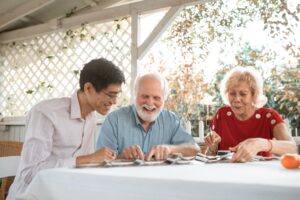
- Cognitive Stimulation: Book clubs, trivia nights, guest lectures, and board game tournaments keep the brain active, sharp, and engaged.
- Creative Expression: Painting workshops, gardening clubs, and musical choir groups allow residents to explore old passions and discover new hobbies.
- Community Excursions: Group trips to theaters, local museums, shopping centers, and scenic parks offer regular, safe adventures.
4. Peer Companionship and Mutual Support
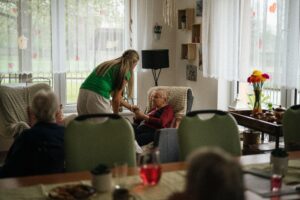
Living among peers who are navigating similar stages of life fosters a unique atmosphere of empathy and mutual understanding. Whether sharing memories of past decades, discussing family updates, or simply offering a comforting presence during difficult times, peer relationships provide deep emotional validation.
Knowing that neighbors and dedicated care staff are always nearby eliminates the constant underlying anxiety of being alone during an emergency. This built-in safety net gives both seniors and their family members immense peace of mind.
Conclusion: Thriving in a Connected Community
Aging should never mean stepping into isolation. Community living transforms life’s later chapters by placing social engagement, safety, and mutual care at the very center of daily life. By replacing quiet rooms with lively conversation, shared meals, and rich friendships, seniors can reclaim their vitality and live life to the fullest.