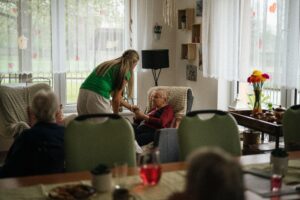

For individuals living with Alzheimer’s disease or other forms of dementia, the ability to express complex thoughts or follow multi-step instructions shifts over time. Yet, the emotional core—the capacity to feel warmth, joy, connection, and comfort—remains vibrant.
In a specialized memory care environment, meaningful programming goes far beyond simply passing the time. It is an intentional, evidence-based therapeutic approach designed to reduce anxiety, stimulate cognitive pathways, and spark genuine moments of happiness. By utilizing tailored sensory programs, music therapy, personal memory boxes, and structured daily routines, care teams create an environment where residents with memory loss feel secure, valued, and content. Here is a closer look at how specialized activities transform daily life in memory care.
1. The Power of Music Therapy: Awakening Long-Term Memories
Music possesses a remarkable ability to tap into deep neural pathways in the brain that remain intact even in advanced stages of cognitive decline. Hearing a familiar melody from youth can instantly awaken emotional memories, spark bright smiles, and bring deep calm to an otherwise restless resident.
How Music Therapy Enriches Daily Life:
- Personalized Playlists: Tailored musical selections featuring favorite tunes from a resident’s teenage and young adult years promote emotional grounding and deep comfort.
- Sing-Alongs & Rhythm Groups: Group rhythm sessions using simple percussion instruments encourage physical movement, social interaction, and shared joy.
- Calming Agitation: Soothing ambient melodies played during late afternoon transition hours (“sundowning”) help reduce anxiety and promote restful evening sleep.
2. Sensory Stimulation: Engaging the Five Senses
As verbal communication becomes challenging, sensory stimulation becomes a primary doorway for emotional connection. Multi-sensory programming provides comfort, stimulates cognitive awareness, and gently redirects anxiety or confusion.
Sensory rooms and specialized activity stations engage residents through touch, sight, sound, and smell. Gentle hand massages using aromatherapy oils like lavender promote physical relaxation. Tactile activity blankets equipped with zippers, buttons, and varied fabric textures satisfy the natural urge to keep hands busy, while aromatherapy baking sessions evoke fond memories of family kitchens.
3. Memory Boxes and Reminiscence Therapy
Reminiscence therapy uses tangible personal artifacts to encourage storytelling, validate personal identity, and foster meaningful connections between residents, family members, and caregivers.
Building Connections Through Memory Boxes:
- Personalized Displays: Shadow boxes mounted outside resident doorways contain personal photos, favorite souvenirs, career mementos, or craft tools, serving as personal landmark cues.
- Sparking Conversation: Caregivers use these visual items to initiate comforting conversations centered on a resident’s life accomplishments and lifelong passions.
- Fostering Belonging: Surrounding residents with familiar, cherished items reaffirms their unique life identity and provides security in new surroundings.
4. Purposeful Routine-Building and Daily Rhythms
Structure brings comfort to individuals experiencing memory loss. Predictable daily rhythms reduce confusion, minimize stress, and offer a comforting framework for the day ahead.
Assisted living and memory care programming incorporates gentle, goal-oriented daily tasks that provide residents with a sense of accomplishment and purpose. Activities such as folding towels, sorting colorful ribbons, setting dining tables, or tending to indoor herb gardens mirror familiar daily tasks from past decades, reinforcing self-worth and independence.
Conclusion: Celebrating Every Moment
Dementia care is not about dwelling on forgotten details; it is about celebrating the present moment. Through specialized sensory experiences, familiar melodies, personal keepsakes, and gentle routines, memory care programs create a warm, supportive atmosphere where residents live each day filled with safety, dignity, and joy.